Our Aims as a Society:
Farnsfield Local History Society exists to collect and publicise the history of Farnsfield. Our aim is to keep the history of Farnsfield alive by uploading images, archives and important information. We are keen to collate information both from the past and more contemporary issues of interest to historians of the future.The FLHS are keen to upload information that relates to the background and origins of Farnsfield, if you have any queries, information or images that you would like to see on the site please use the ‘contact us’ page to send details to members of the committee.
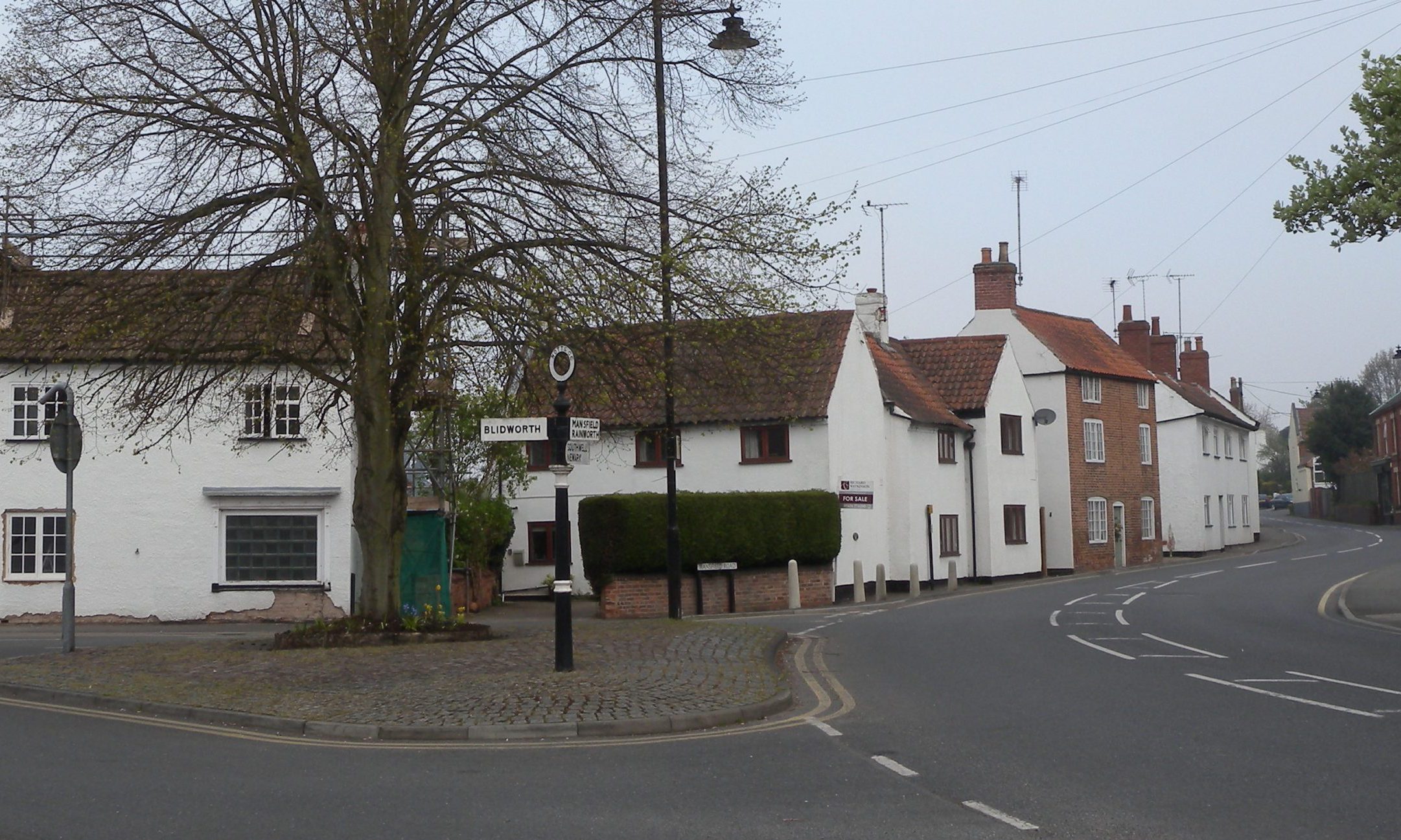
It is quite a large village with a population of approx 3000. The village lies in a predominantly farming area on the eastern edge of the (now much diminished) Nottinghamshire coalfield.
There is no major industry or employer within Farnsfield and the majority of people of working age living in the village commute to work, mostly to Nottingham, Mansfield or Newark.
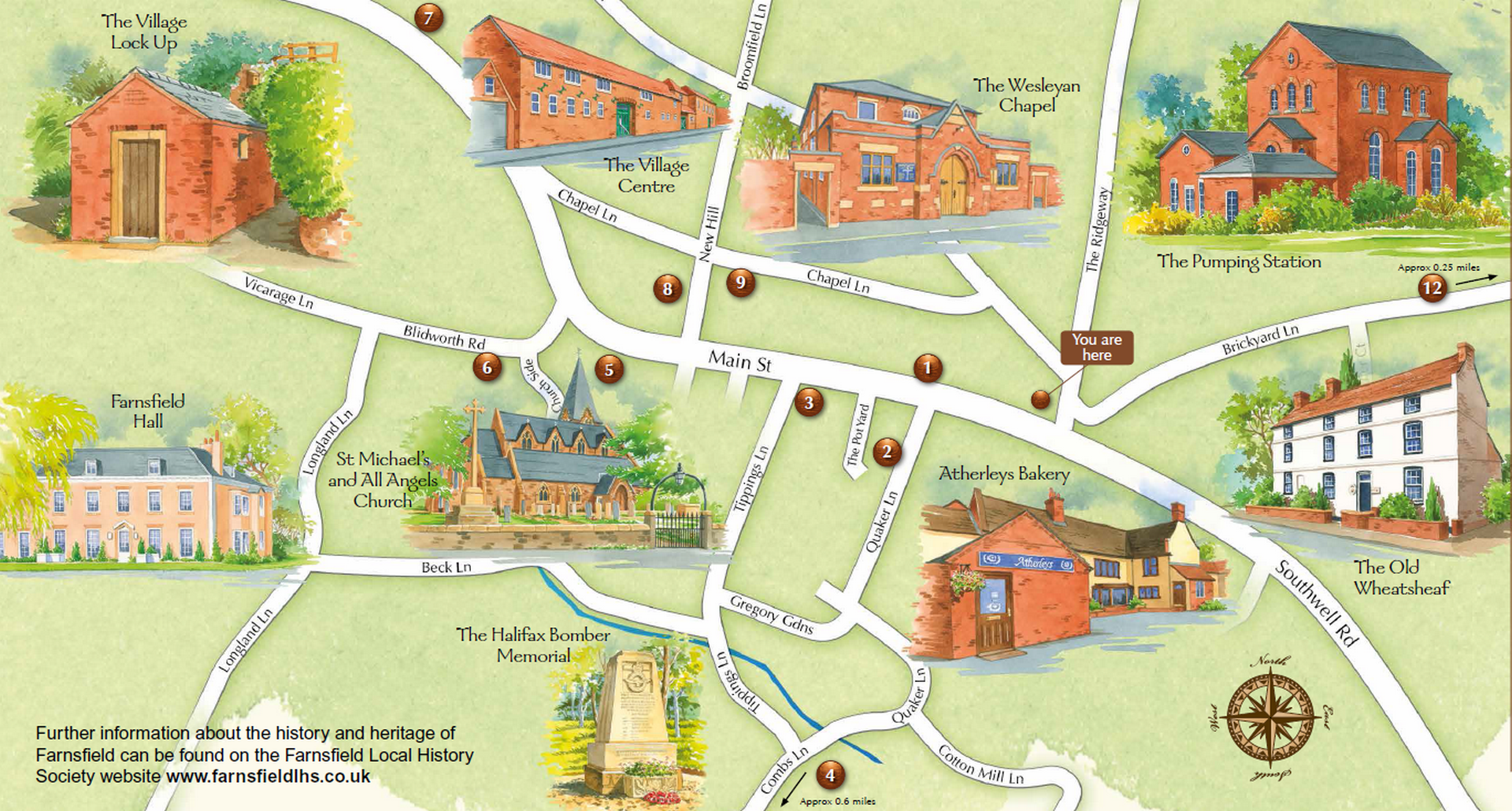
Farnsfield is more fortunate than many villages of its type in that it contains a small supermarket, a village bakery, a greengrocer and other small shops. The Post Office is now at the Co-op supermarket. We have 2 churches (Anglican and Methodist), a primary and junior school, (recent amalgamation of smaller schools) and 2 public houses, the Plough and the Lion (previously the Red Lion) There is also the White Post on the A614. The New Inn became the Warwick Arms, but it closed after the Co-op moved there.
—————————————————————————
We have books available from the society
“A History of Farnsfield” (£5.00) “Memories of Farnsfield” (£3.00) As well as Philip Marsh’s book on Farnsfield’s own pioneer and explorer Augustus Gregory whose family emigrated to Australia in the nineteenth century. “Farnsfield to Rainworth – Journey of a Lifetime” (£7.50) It is selling very well and can be obtained from Farnsfield and Southwell libraries, the Bookcase in Lowdham and Five Leaves bookshop off Long Row, Nottingham.
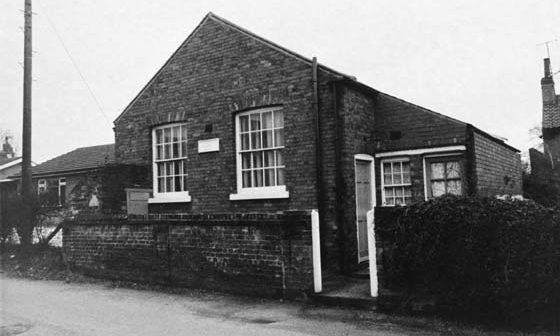
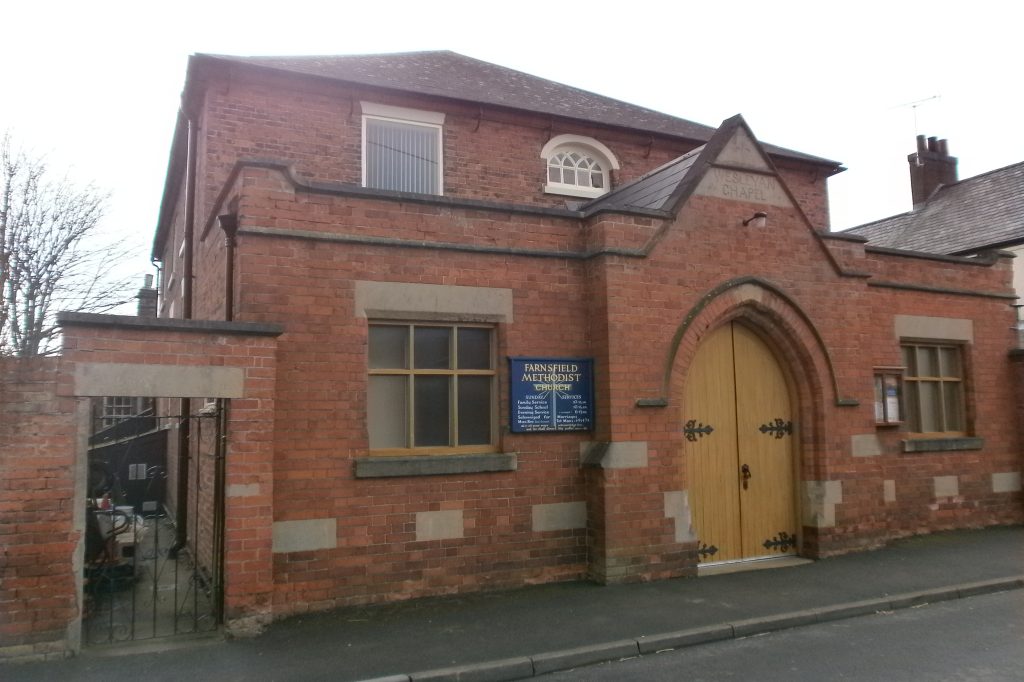
The Wesleyan Methodist Chapels and School Farnsfield Nottinghamshire 1799-2012 by Philip H Marsh”. Available for purchase from the Library in Farnsfield and the Bookcase at Lowdham Price £7.50
Contact us
To contact Farnsfield Local History Society you can use the contact form below.
N.B. The FLHS is not a family history society and whilst we are interested in hearing from the descendants of locals we are not ourselves able to research or trace local ancestors. We suggest the use of websites such as ancestory.com or findmypast.com for this purpose.